
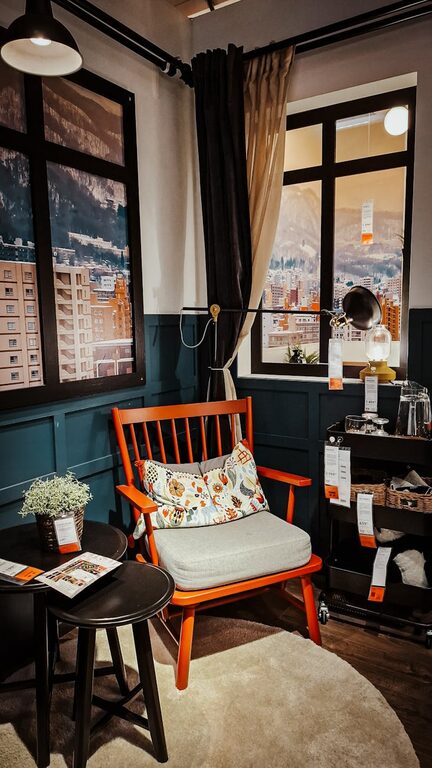
Creating a comfortable and inviting atmosphere in your home goes beyond furniture and colors—it starts with the lighting. The right lighting not only brightens your space but also influences your mood, productivity, and even health. Choosing home lighting that combines functionality with comfort can seem overwhelming given the variety of options available today. This guide will help you navigate your choices and find the perfect lighting for every room in your home.
Understanding the Importance of Comfortable Lighting
Comfortable lighting means different things depending on the room and purpose. For some, it’s soft and warm light that makes a living area cozy. For others, it’s bright and focused light for tasks like reading or cooking.
Proper lighting can:
– Improve mood and relaxation
– Reduce eye strain and headaches
– Highlight room features and decor
– Contribute to energy savings
When choosing lighting, consider how you use each space throughout the day and at night.
Key Factors to Consider When Choosing Home Lighting
Before shopping for fixtures or bulbs, think about these important elements:
1. Light Color Temperature
Measured in Kelvins (K), color temperature affects the tone of light:
– Warm light (2700K-3000K): Creates a cozy, relaxing atmosphere; ideal for bedrooms and living rooms.
– Neutral light (3500K-4100K): Balanced brightness, good for kitchens, bathrooms, and workspaces.
– Cool light (5000K+): Mimics daylight, sharp and energizing; best for task lighting and garages.
Choosing the right temperature depends on the mood you want and the tasks you perform.
2. Brightness (Lumens)
Brightness is measured in lumens, not watts. Watts measure energy consumption, while lumens measure light output.
For comfortable lighting:
– Living rooms: 1,500-3,000 lumens total
– Bedrooms: 1,000-2,000 lumens total
– Kitchens: 3,000-4,000 lumens total
Use multiple light sources to layer your lighting and avoid harsh, direct light.
3. Lighting Layers
Combining different types of lighting creates depth and flexibility:
– Ambient lighting: General, overall light from ceiling fixtures, chandeliers, or recessed lights.
– Task lighting: Focused light for activities like reading, cooking, or applying makeup (table lamps, under-cabinet lights).
– Accent lighting: Highlights artwork, plants, or architectural features (spotlights, track lighting).
Layering lets you adjust lighting for different moods and needs.
4. Fixture Style and Placement
Choose fixtures that complement your décor and room size. Placement influences comfort:
– Avoid placing bright lights directly in your eyes.
– Use dimmers to control intensity.
– Consider adjustable fixtures for flexibility.
Practical Tips Room-by-Room
Living Room
The living room is a place for both gathering and relaxing. Use a mix of lighting layers for comfort:
– Ambient: A dimmable ceiling fixture or chandelier.
– Task: Floor lamps near seating for reading.
– Accent: Table lamps or wall sconces to add warmth.
Choose warm white bulbs to create a welcoming glow.
Kitchen
Functional lighting is key here. Employ bright, neutral white light to keep the space lively and safe:
– Ambient: Recessed ceiling lights for even coverage.
– Task: Under-cabinet strip lights to illuminate countertops.
– Accent: Pendant lights over kitchen islands for style.
Opt for energy-efficient LED bulbs for longer life and savings.
Bedroom
Create a restful retreat with soft, warm light:
– Ambient: Ceiling fixtures with a dimmer switch help set the mood.
– Task: Bedside lamps for reading.
– Accent: Soft wall sconces or fairy lights to add coziness.
Avoid overly bright overhead lights at night to promote relaxation.
Bathroom
Good lighting is essential for grooming and safety:
– Ambient: Bright, neutral white light from ceiling fixtures.
– Task: Vanity lights around mirrors to eliminate shadows.
– Accent: Waterproof LED strips for mood lighting if desired.
Choose fixtures rated for moisture resistance.
Home Office
Maximize productivity with appropriate task lighting:
– Ambient: Soft background light to prevent glare.
– Task: Adjustable desk lamps with cool white bulbs for focus.
– Accent: Avoid distracting or overly decorative lighting.
Position lamps to minimize shadows on your work surface.
Choosing the Right Bulbs
Lighting technology has advanced, giving you many choices:
LED Bulbs
– Energy-efficient and long-lasting
– Available in various color temperatures
– Low heat output; safe and cost-effective
CFLs (Compact Fluorescent Lamps)
– More efficient than incandescent bulbs
– May take time to reach full brightness
– Contain small amounts of mercury; require careful disposal
Incandescent Bulbs
– Warm light, inexpensive upfront
– High energy consumption and short lifespan
– Being phased out due to inefficiency
Smart Bulbs
– Adjustable color and brightness via apps or voice control
– Can create custom lighting scenes
– Ideal for flexible, comfortable lighting setups
Additional Tips for Comfortable Lighting
– Use dimmers: Adjust lighting according to time of day and activity.
– Choose warm hues: They tend to be easier on the eyes and more relaxing.
– Consider natural light: Maximize windows and use sheer curtains to let daylight in.
– Avoid glare: Use lampshades, frosted bulbs, or indirect lighting to reduce harshness.
– Position lights thoughtfully: Focus on creating inviting zones rather than just bright spots.
Final Thoughts
Choosing comfortable home lighting is about balancing aesthetics, comfort, and functionality. By paying attention to color temperature, brightness, layering, and fixture placement, you can transform your home into a warm and welcoming haven. Experiment with different options, and don’t hesitate to mix styles and technologies to suit your personal needs.
With thoughtful lighting choices, every room can shine in a way that reflects your lifestyle and enhances your comfort. Happy lighting!