
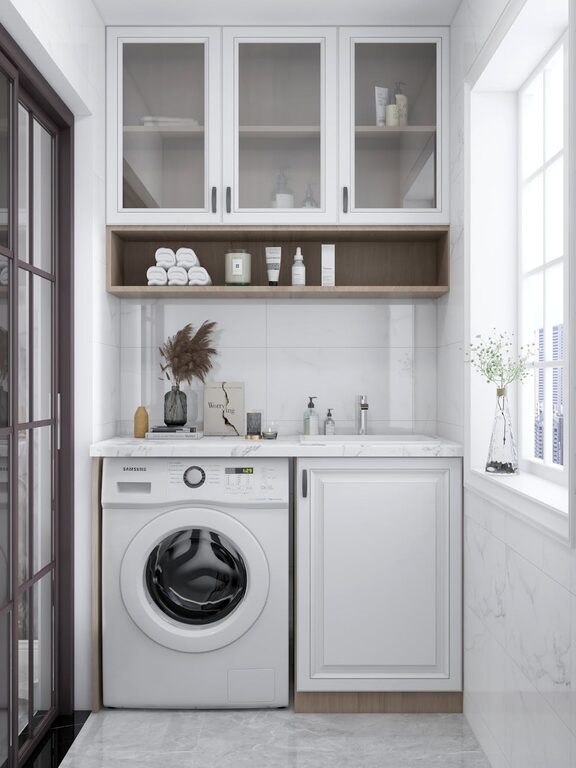
Creating a minimalist bathroom setup is about more than just aesthetics—it’s about crafting a calm, clutter-free space that promotes relaxation and efficiency. Whether you’re renovating or simply looking to refresh your current bathroom, adopting minimalist principles can transform the space into a clean, inviting retreat.
In this post, we’ll explore key steps and tips to help you create a minimalist bathroom that suits your lifestyle and enhances your home.
What Is a Minimalist Bathroom?
Minimalism in design emphasizes simplicity, function, and uncluttered spaces. A minimalist bathroom focuses on:
– Clean lines and simple shapes
– Limited color palette, usually neutral tones
– Essential items only, displayed thoughtfully
– Maximized natural light and open space
– Quality materials that last
By reducing unnecessary elements, you create an environment that feels spacious, organized, and serene.
Step 1: Declutter and Assess Your Space
Before making any changes:
- **Remove everything** from counters, shelves, and cabinets.
- **Sort items** into categories: keep, relocate, donate, or discard.
- **Identify essentials** you use daily and items that can be stored elsewhere or eliminated.
This step clears visual and physical clutter and helps you understand what storage or organizational upgrades you might need.
Step 2: Choose a Neutral Color Palette
In minimalist design, color choice has a big impact on mood and space perception.
– Opt for soft neutrals like white, beige, gray, or muted pastels.
– Use one or two main colors to keep the look cohesive.
– Introduce natural textures (wood, stone) to add warmth without noise.
A light color palette reflects light and makes the bathroom feel larger and more inviting.
Step 3: Simplify Fixtures and Hardware
Minimalist bathrooms often feature simple fixtures with clean lines.
– Select streamlined faucets and showerheads with modern or classic shapes.
– Choose cabinet handles or knobs that are understated or integrated into doors.
– Consider floating vanities or wall-mounted toilets to keep the floor visually open.
Selecting cohesive fixtures sets the tone for a harmonious design.
Step 4: Optimize Storage Solutions
Clutter-free surfaces are a hallmark of minimalism.
Built-in Storage
– Use recessed shelving in shower walls or above toilets to save space.
– Consider vanity units with drawers rather than open shelves to hide toiletries.
Use Containers Sparingly
– Keep only daily essentials visible in matching jars or trays.
– Store less-used items in labeled containers inside cabinets.
Keeping storage discreet makes the bathroom look orderly without sacrificing functionality.
Step 5: Use Thoughtful Accessories
Minimalism doesn’t mean boring—accessories can add personality when chosen carefully.
– Choose a single piece of artwork or a small plant to bring life to the space.
– Use simple, high-quality towels folded neatly or hung on minimal bars.
– Select soap dispensers and toothbrush holders that complement your palette.
Remember, less is more. Accessories should feel intentional, not cluttered.
Step 6: Enhance Lighting for Ambiance and Function
Good lighting is essential in the bathroom for both function and mood.
– Maximize natural light by choosing light window treatments or leaving windows bare if privacy allows.
– Use recessed ceiling lights or sleek sconces to avoid bulky fixtures.
– Consider warm LED bulbs to create a soft, calming atmosphere.
Adjustable lighting can also help when switching from task lighting to relaxation mode.
Step 7: Keep Cleaning Simple and Regular
A minimalist bathroom looks best when well-maintained.
– Choose materials that are easy to wipe down, like ceramic tiles and smooth surfaces.
– Establish a regular cleaning routine to prevent buildup and maintain the pristine look.
– Keep cleaning supplies stored away but accessible for quick touch-ups.
Maintaining your minimalist bathroom ensures it remains a fresh, calming space.
Final Tips for Success
– Avoid overcrowding your bathroom with too many products or decorations.
– Regularly reassess your bathroom items and remove what is no longer needed.
– Incorporate natural elements like plants or stone to bring subtle texture.
– Invest in quality over quantity for long-lasting fixtures and accessories.
By following these steps, you’ll create a minimalist bathroom that’s not only beautiful but also practical—a perfect little sanctuary in your home.
—
A minimalist bathroom setup might require some initial effort and thoughtful choices, but the result is a serene, uncluttered space that can simplify your daily routine and spark joy every time you enter. Start small, take it step by step, and enjoy the calm that comes with simplicity.