
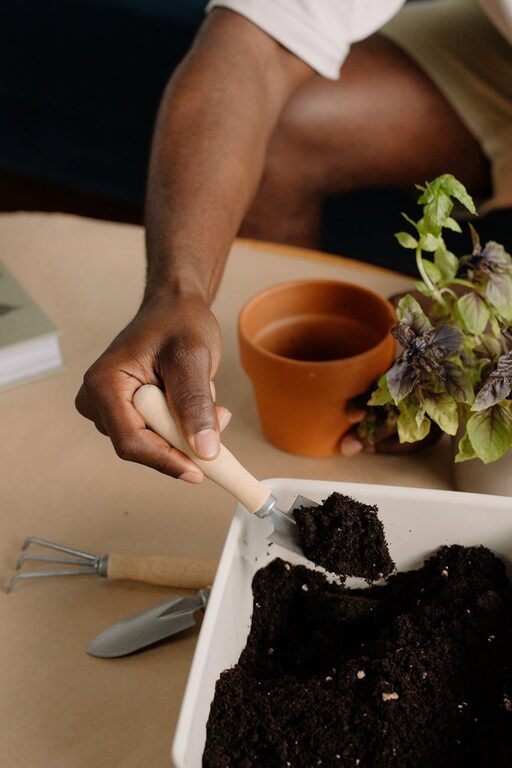
Starting a small herb garden indoors is a rewarding and practical way to bring fresh flavors to your cooking, even if you don’t have outdoor space. With a few basic tools and some care, you can grow herbs right on your windowsill or kitchen counter. Whether you’re a gardening novice or looking to expand your plant collection, this guide will walk you through everything you need to know to get started.
Why Grow Herbs Indoors?
Growing herbs indoors offers several benefits:
– Freshness: Pick herbs as needed for your meals, ensuring freshness and flavor.
– Convenience: Easily accessible herbs just steps from your kitchen.
– Year-round growth: Grow herbs regardless of season or outdoor climate.
– Aesthetic: Adds greenery and a pleasant scent to your living space.
– Cost-effective: Saves money by reducing the need to buy fresh herbs frequently.
Choosing the Right Herbs
Start with herbs that are well-suited for indoor growth and beginner gardeners. Here are some popular options:
– Basil: Requires lots of sunlight and warmth.
– Parsley: Likes moderate light; great for garnishing.
– Chives: Adaptable and easy to grow.
– Mint: Hardy but can spread quickly, so keep in its own pot.
– Thyme: Needs bright light and well-drained soil.
– Cilantro: Prefers cooler temperatures and moderate light.
Try to pick 2-4 herbs to begin with; this helps keep things manageable. Also, consider your cooking preferences—choose herbs you enjoy using often.
What You’ll Need to Get Started
Gather these essential supplies before planting:
– Containers or pots with drainage holes
– Quality potting soil suitable for herbs
– Herb seeds or young starter plants
– A water spray bottle or watering can
– A sunny spot or grow lights
– Labels or markers to keep track of your herbs
– Small trays to catch water drainage (optional)
Step-by-Step Guide to Starting Your Garden
1. Select the Right Containers
Choose containers that are deep enough to accommodate the herb roots, typically 4-6 inches deep. Ensure the pots have drainage holes to prevent waterlogging, which can harm the plants.
2. Use Good Potting Soil
Use a light, well-draining potting mix designed for indoor plants. Avoid using garden soil, as it may be too heavy or contain pests.
3. Plant Your Herbs
– Starting from Seeds: Follow the instructions on your seed packet for planting depth and spacing. Lightly cover the seeds with soil.
– Starting from Starter Plants: Gently remove the plant from its nursery pot, loosen the roots a bit, and plant it in your container.
Water the soil lightly after planting to settle it around the seeds or roots.
4. Provide Adequate Light
Most herbs need at least 6 hours of sunlight per day:
– Place your garden near a south-facing window if possible.
– If natural light is insufficient, consider using LED grow lights designed for plants. Keep lights on for about 12-14 hours daily.
5. Water Carefully
Overwatering is a common mistake. Check the soil moisture regularly by sticking your finger about an inch into the soil:
– Water when the top inch feels dry.
– Water enough so the excess flows out of the drainage holes.
– Avoid letting herbs sit in standing water.
6. Maintain Proper Temperature and Humidity
Most herbs thrive in temperatures between 65-75°F (18-24°C). Keep your garden away from drafts or heating vents. Herbs generally prefer moderate humidity, which can be increased by misting the plants occasionally or using a humidity tray.
7. Fertilize Occasionally
Indoor herbs need some nutrients:
– Use a balanced liquid fertilizer every 4-6 weeks during active growth.
– Avoid over-fertilizing, which can reduce flavor.
8. Prune and Harvest Regularly
Regular pruning encourages bushier growth and prevents herbs from becoming leggy:
– Harvest herbs by pinching or cutting just above a leaf node.
– Avoid removing more than one-third of the plant at a time.
– Use fresh herbs immediately or dry/freeze for later use.
Common Challenges and How to Overcome Them
Poor Growth or Yellow Leaves
– May be caused by underwatering, overwatering, or lack of light.
– Adjust watering habits and relocate plants to brighter spots if needed.
Pests
– Indoor herb gardens can attract aphids, spider mites, or fungus gnats.
– Inspect plants regularly.
– Use natural remedies such as insecticidal soap or gently rinse leaves.
Leggy Plants
– Result of insufficient light.
– Increase light exposure or use supplemental grow lights.
Tips for Success
– Rotate your pots regularly to ensure even light distribution.
– Keep herbs separate if one tends to spread aggressively (like mint).
– Start small and expand your garden as you gain confidence.
– Label your plants clearly to track growth and varieties.
Conclusion
Starting a small herb garden indoors is a fun, simple way to bring greenery and fresh flavors into your home. With the right herbs, containers, light, and care, you can enjoy your own mini garden year-round. Happy gardening, and may your kitchen always be fragrant and full of delicious herbs!