
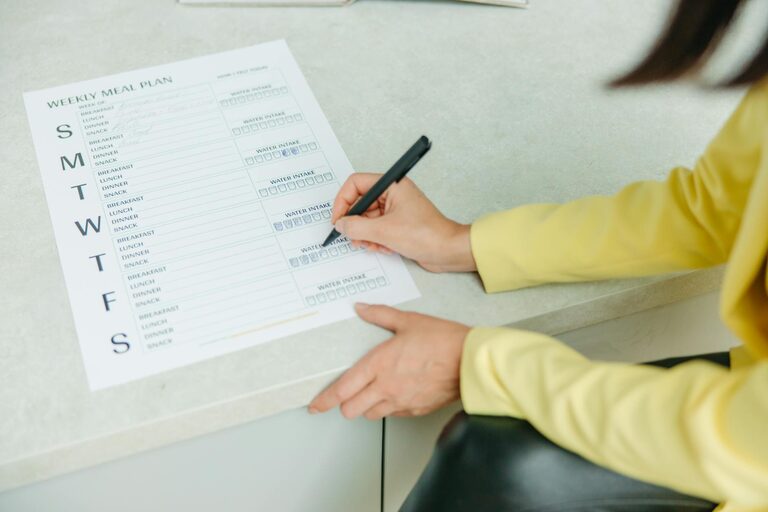
Creating a weekly meal plan doesn’t have to be complicated or time-consuming. With a little preparation, you can design a simple plan that helps you save time, reduce food waste, and enjoy nutritious meals throughout the week. Whether you’re a busy professional, a parent, or just someone trying to eat better, a meal plan can make your week run more smoothly.
In this post, we’ll walk you through easy steps to create a practical weekly meal plan that fits your lifestyle.
Why Create a Weekly Meal Plan?
Before jumping into how to create a meal plan, it’s helpful to understand the benefits:
– Saves time: Knowing what you’ll eat each day reduces the daily stress of deciding what to cook.
– Saves money: Planning allows you to buy only what you need, helping you avoid impulse purchases.
– Supports healthier eating: Planning meals around balanced ingredients can improve your diet.
– Reduces food waste: Using ingredients efficiently means less food thrown away.
With these advantages in mind, let’s see how you can put together a weekly plan you’ll actually use.
Step 1: Assess Your Week
Begin by considering your schedule for the upcoming week. Ask yourself:
– How many meals do I need to plan? Just dinners? Or breakfasts and lunches too?
– Which days will I have time to cook versus days I may need quick or leftover meals?
– Are there social events or meals out planned?
Writing this down can help you tailor your meal plan realistically.
Step 2: Inventory What You Have
Check your fridge, freezer, and pantry. Using existing ingredients reduces waste and saves money. Make a quick list of items you want to use up during the week.
Step 3: Choose Your Recipes
Pick simple recipes that match your schedule and skill level. To keep things manageable:
– Focus on recipes with fewer ingredients.
– Prioritize dishes that can be made in bulk, such as soups, stews, or casseroles.
– Include meals that can be repurposed (e.g., roast chicken one day, chicken salad the next).
If you need inspiration, many websites and apps offer free meal ideas sorted by cuisine, dietary needs, or preparation time.
Step 4: Create Your Meal Calendar
Using a notebook, a planner, or a meal planning app, map out your meals by day. Here’s a sample structure:
| Day | Breakfast | Lunch | Dinner |
|———–|—————–|——————|——————|
| Monday | Overnight oats | Chicken salad | Spaghetti |
| Tuesday | Yogurt & fruit | Leftover spaghetti| Stir-fry veggies |
| … | … | … | … |
Be flexible—if plans change, swap meals easily.
Step 5: Make a Detailed Shopping List
Based on your meal calendar, write down all the ingredients you need. Organize the list by grocery sections like produce, dairy, and pantry to speed up shopping.
Here’s a tip: check off items you already have at home before shopping.
Step 6: Prep Ingredients Ahead
Once home from shopping, spend some time prepping ingredients to save time during the week. This can include:
– Washing and chopping vegetables.
– Cooking grains or proteins in advance.
– Portioning snacks.
Prepping makes weekday cooking faster and less stressful.
Step 7: Stick to the Plan but Stay Flexible
Aim to follow your meal plan, but allow room to adjust. Sometimes cravings change or unexpected events happen. It’s okay to swap days or reuse ingredients creatively.
Tips for Successful Meal Planning
– Start small: If new to meal planning, start by planning dinners only.
– Use leftovers smartly: Plan meals that create leftovers perfect for lunch the next day.
– Include your favorites: Ensure the meals you choose are dishes you enjoy.
– Keep a list of go-to recipes: Having a set of simple, trusted recipes makes planning quicker.
– Get family involved: Ask others what they want to eat. This can increase buy-in.
Sample Simple Meal Plan for Beginners
To get you started, here’s a basic meal plan outline:
– Monday
– Breakfast: Smoothie with banana, spinach, and yogurt
– Lunch: Turkey sandwich with veggies
– Dinner: Grilled chicken with roasted vegetables
– Tuesday
– Breakfast: Oatmeal with berries
– Lunch: Leftover grilled chicken salad
– Dinner: Pasta with marinara sauce and salad
– Wednesday
– Breakfast: Scrambled eggs and toast
– Lunch: Vegetable soup
– Dinner: Stir-fried tofu with rice
– Thursday
– Breakfast: Yogurt with granola
– Lunch: Soup leftovers
– Dinner: Baked fish with quinoa and steamed broccoli
– Friday
– Breakfast: Fruit and nut muffin
– Lunch: Salad with chickpeas
– Dinner: Homemade pizza with veggies
Feel free to adjust meals or repeat favorites as needed.
Final Thoughts
Weekly meal planning might seem like extra work at first, but with practice, it quickly becomes a helpful routine. This simple process can reduce mealtime stress, help you eat healthier, and keep your grocery budget in check.
Give it a try next week—even a basic plan can make a difference in how smoothly your week runs.
Happy planning and happy eating!