
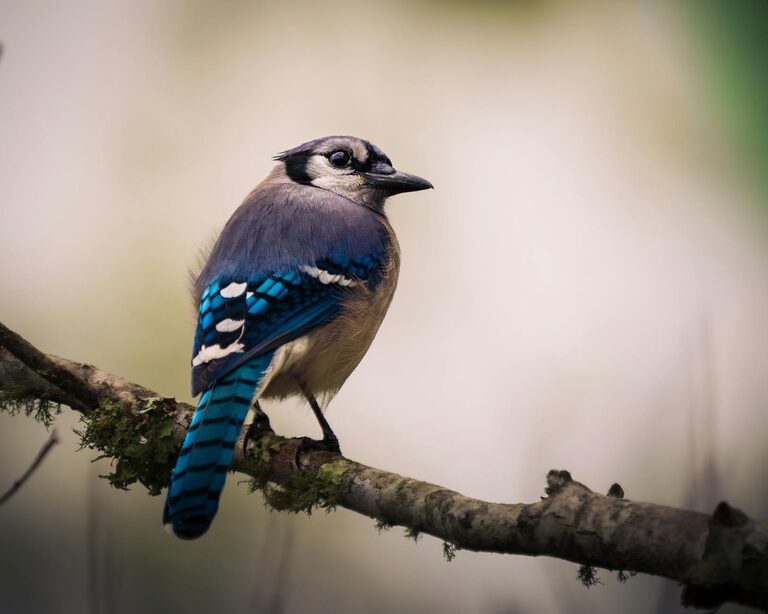
Birdwatching is a relaxing and rewarding hobby that allows you to connect with nature without leaving your home. Whether you have a large garden or just a small balcony, backyard birdwatching offers a wonderful way to observe diverse bird species and learn more about their behaviors. If you’re new to birdwatching, this guide will help you get started with easy tips and ideas that anyone can try.
Why Backyard Birdwatching?
Birdwatching in your own backyard provides a number of benefits:
– Convenience: You don’t need to travel far to see interesting birds.
– Stress Relief: Watching birds can be a calming activity, great for unwinding.
– Education: Learn to identify different species and understand local ecosystems.
– Conservation: Supporting birds in your area helps local wildlife thrive.
Even if you’re unfamiliar with birds, this hobby offers endless opportunities for discovery and enjoyment.
What You Need to Get Started
1. A Comfortable Spot
Choose a quiet place with a good view of your yard or garden. A chair near a window or a small outdoor seating area works well. Birds are easily startled, so try to limit noisy movements when watching them.
2. Binoculars
While not absolutely necessary, a pair of binoculars enhances your experience by allowing you to see details without getting too close. Look for lightweight, easy-to-use binoculars with a wide field of view, ideal for beginners.
3. Bird Guide or App
To identify birds, you’ll find a guidebook or mobile app especially helpful. They often include pictures, descriptions, and bird calls that make recognition easier. Some popular apps even let you record bird sounds and get suggestions for identification.
4. Notebook or Bird Journal
Keeping a birdwatching journal can be fun and rewarding. Record the species you see, the date, time, weather, and any interesting behaviors. Over time, it becomes a personal record of your observations and learning.
How to Attract Birds to Your Backyard
Set Up Bird Feeders
Bird feeders are the easiest way to bring birds close to you. Here’s how to choose and maintain feeders:
– Types: Use different feeders to attract various species—tube feeders for small songbirds, platform feeders for a variety of birds, and suet feeders for woodpeckers or nuthatches.
– Food: Common foods include sunflower seeds, nyjer seed, millet, and suet cubes. Different birds prefer different foods, so offering a variety can increase diversity.
– Placement: Position feeders away from windows to reduce collision risks, ideally near shrubs or trees where birds can perch and feel safe.
– Cleanliness: Regularly clean feeders to prevent mold and disease.
Provide Water
Birds need water for drinking and bathing. A birdbath or shallow dish filled with fresh water can attract birds, especially during dry periods. Place it in a shaded area and clean it frequently.
Create Bird-Friendly Habitat
Consider adding native plants, shrubs, and trees to your garden. They offer natural food sources like berries and insects, as well as shelter and nesting spots. Avoid using pesticides, as they can harm birds and the insects they feed on.
Tips for Successful Birdwatching
Be Patient and Quiet
Birds are more likely to come near if you remain still and keep noise to a minimum. Try sitting quietly for 10-15 minutes and observe without sudden movements.
Watch at Different Times
Bird activity varies throughout the day. Early mornings and late afternoons are often the best times to see many birds feeding. Experiment with timing to discover when your backyard is most lively.
Learn Bird Behaviors
Noticing common behaviors—like feeding habits, flight patterns, or calls—can help you identify species and understand their needs.
Use Technology Wisely
Bird identification apps, online birding communities, and even trail cameras can enhance your experience. Just remember to use devices discreetly so as not to disturb the birds.
Common Backyard Birds You May See
Here are a few birds frequently spotted in backyards across many regions:
– Northern Cardinal
– American Robin
– Blue Jay
– House Sparrow
– Mourning Dove
– Chickadee
– Goldfinch
– Woodpecker
Remember, species will differ by location and season, so it’s exciting to discover what is unique in your area.
Final Thoughts
Starting backyard birdwatching doesn’t require special skills or equipment—just curiosity, patience, and a little preparation. Over time, you’ll develop a deeper appreciation for the feathered visitors who share your outdoor space. By creating a bird-friendly environment and observing daily, backyard birdwatching can become a delightful routine filled with small wonders.
Give it a try today! Watch closely, listen carefully, and enjoy the simple pleasure of discovering birds right outside your door. Happy birdwatching!