
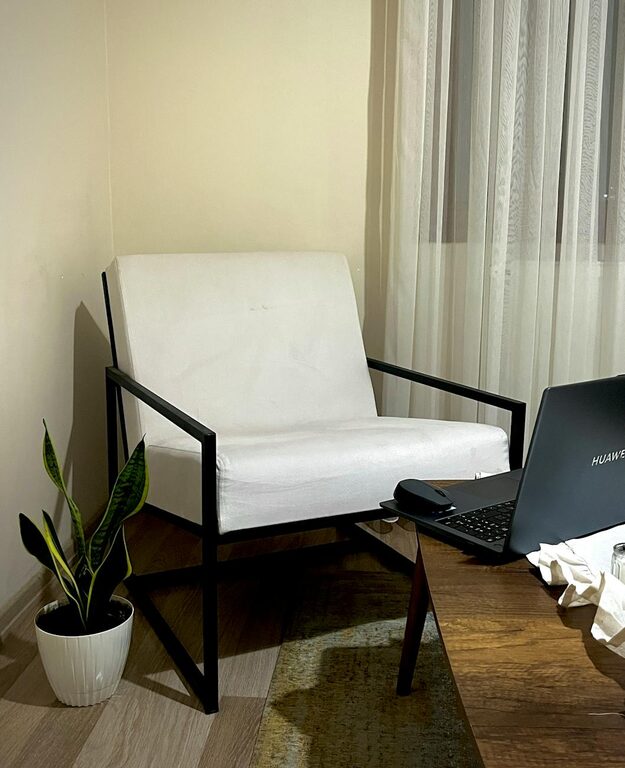
Living in a noisy environment can be stressful and impact your comfort at home. Whether it’s traffic, neighbors, or household sounds, noise pollution can disrupt relaxation, sleep, and productivity. Fortunately, there are many simple and affordable ways to reduce noise at home without major renovations. This post will explore practical tips and solutions to help you create a quieter and more peaceful living space.
Understanding Noise Sources at Home
Before taking action, it’s helpful to identify the main noise sources around and inside your home. Common noise contributors include:
– Outdoor traffic and street noise
– Noisy neighbors in apartments or shared walls
– Loud appliances like washing machines and dishwashers
– Footsteps or voices echoing inside rooms
– HVAC systems or plumbing sounds
Once you know the noise sources, you can target solutions more effectively.
1. Seal Windows and Doors
Gaps and cracks around windows and doors let in a lot of unwanted noise. Here’s what you can do:
– Weatherstripping: Install foam or rubber weatherstripping around door and window frames to block gaps.
– Door sweeps: Add door sweeps along the bottom edge of exterior and interior doors.
– Window insulation film: Apply transparent film over window panes for an extra noise barrier and better insulation.
These inexpensive fixes can noticeably reduce noise leaking through openings.
2. Use Heavy Curtains and Blinds
Windows are often weak points for sound infiltration. Heavy, dense curtains made from materials like velvet or suede absorb sound waves and reduce noise coming from outside. For the best results:
– Choose curtains that are thick and full-length.
– Consider double-layered curtains for additional noise reduction.
– Add blinds underneath curtains for a layered approach.
These not only help with noise but also improve temperature regulation in your home.
3. Add Rugs and Carpets
Hard floors like tile or wood can reflect sound and increase echo inside your rooms. Soft surfaces help absorb noise. Consider:
– Placing area rugs or carpets in high-traffic areas and rooms with hard flooring.
– Using rug pads underneath to add cushioning and prevent slips.
– Covering stairs with carpet runners if noise from footsteps is a concern.
Rugs are easy to change and upgrade, making them a versatile noise reduction option.
4. Rearrange Furniture Strategically
Believe it or not, your furniture can help block noise.
– Position bookcases or shelves filled with books along walls that face noisy neighbors or streets.
– Upholstered furniture such as sofas and armchairs absorb sound inside rooms.
– Placing larger pieces near walls and windows can soften incoming noise and improve room acoustics.
This method uses what you already have to create a more peaceful space.
5. Install Acoustic Panels or Wall Hangings
For a more dedicated soundproofing approach, consider acoustic solutions:
– Acoustic panels: These are specifically designed to absorb sound and reduce echo. They come in various sizes and styles and can be mounted on walls or ceilings.
– Wall hangings and tapestries: Fabric-based wall decor also helps absorb sound and adds a decorative touch.
Acoustic panels can be a DIY project or professionally installed, depending on your budget.
6. Use White Noise Machines or Background Sounds
Sometimes eliminating noise isn’t fully possible, especially in busy urban areas. Using sounds to mask unwanted noise can be effective:
– White noise machines produce consistent and soothing background noise.
– Fans or humidifiers create gentle ambient sounds that help cover distractions.
– Playing soft music, nature sounds, or soundscapes can also help your brain ignore disruptive noises.
This approach is especially helpful for improving sleep and concentration.
7. Maintain and Upgrade Appliances
Loud household machines contribute significantly to indoor noise. Here’s what you can do:
– Choose quiet models when replacing appliances.
– Place noisy machines, like washers or dryers, on vibration-absorbing pads.
– Regularly maintain motors and moving parts to reduce noise from wear.
Reducing appliance noise improves your home’s overall tranquility.
8. Create Quiet Zones and Use Room Dividers
Designate specific areas in your home as quiet zones, especially useful if you work from home or study.
– Use room dividers or screens to separate noisy areas from quiet ones.
– Soft furnishings in these zones will further absorb sound.
– Establish rules or expectations for noise levels in these spaces.
Creating peaceful retreats inside your home helps manage noise in a practical way.
Final Thoughts
Reducing noise at home doesn’t have to be costly or complicated. By combining some of these simple tips—from sealing gaps to rearranging furniture—you can make a significant difference in your living environment. Start with easy fixes and gradually adopt more involved solutions as needed. A quieter home means less stress and more enjoyment of your personal space.
We hope these suggestions help you achieve a calmer and more comfortable home!